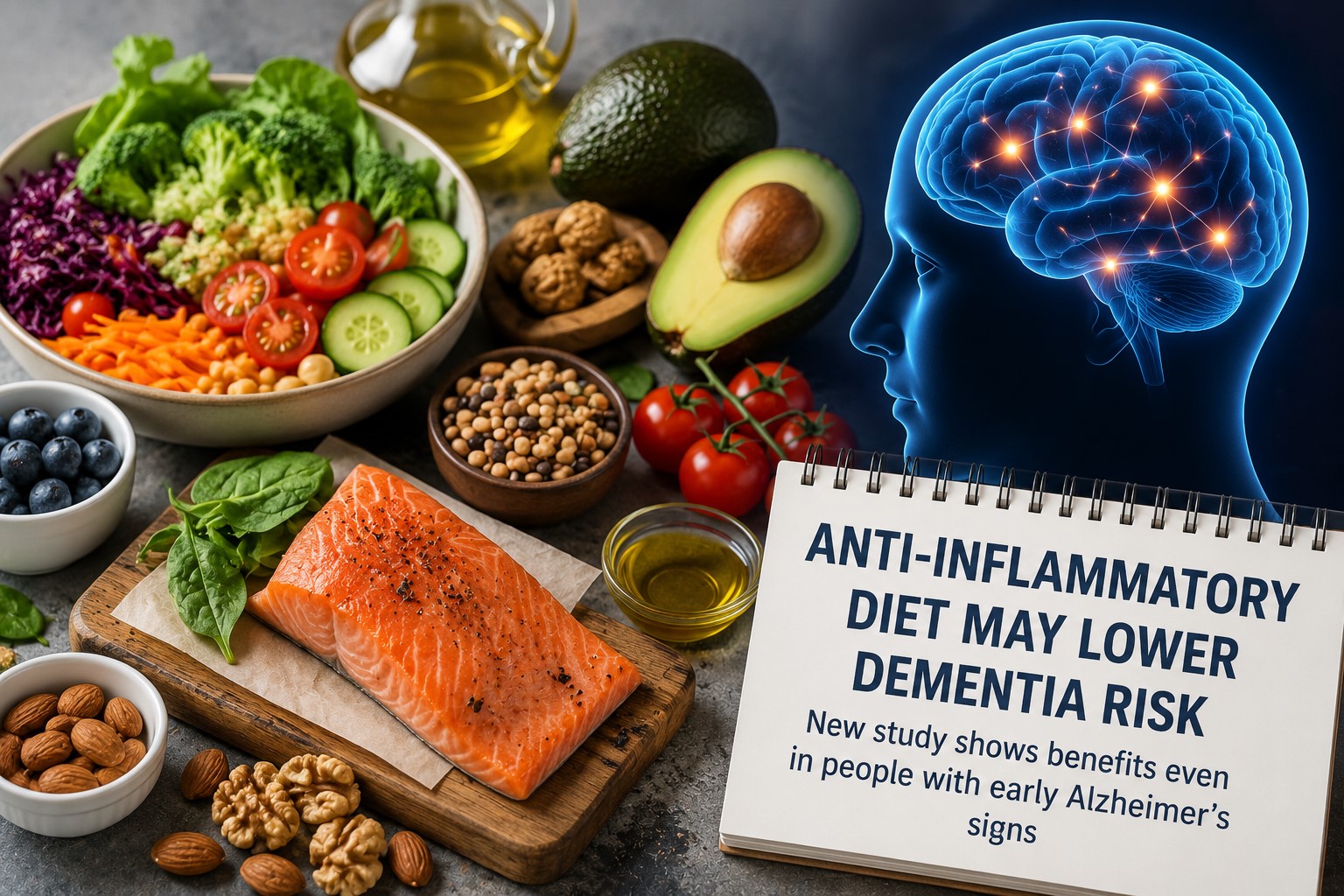
A diet rich in fruits, vegetables, whole grains, legumes, and other minimally processed foods may help lower the risk of dementia, according to new research that adds to growing evidence linking healthy eating with better brain health.
The study, published in JAMA Network Open, found that older adults who regularly consumed foods with lower inflammatory potential were less likely to develop dementia over time—even among those showing early biological signs associated with Alzheimer's disease.
Long-Term Study Shows Promising Results
Researchers followed more than 1,800 adults aged 60 and older in Sweden who had no signs of dementia at the beginning of the study. Participants completed detailed dietary questionnaires over six years, while researchers also measured blood biomarkers linked to Alzheimer's disease and brain injury.
The participants were then monitored for up to 15 years. During that period, 240 individuals developed dementia.
The findings showed that people whose diets were lower in inflammatory foods had a significantly lower risk of developing dementia. Among participants with elevated levels of p-tau217, a biomarker associated with Alzheimer's disease, those following more anti-inflammatory eating patterns had a 29% lower risk of dementia. Similar benefits were observed in participants with other biomarkers related to nerve damage and inflammation.
What Is an Anti-Inflammatory Diet?
Researchers noted that there is no single official anti-inflammatory diet. Instead, it refers to an overall eating pattern that helps reduce chronic inflammation throughout the body.
Foods commonly associated with this type of diet include:
- Fruits and vegetables
- Whole grains
- Beans and legumes
- Nuts and seeds
- Fish
- Olive oil and other healthy fats
At the same time, the diet limits foods linked to higher inflammation, including sugary drinks, ultra-processed foods, processed meats, and excessive amounts of red meat.
Experts say this approach closely resembles the Mediterranean diet, which has long been associated with heart and brain health.
Why Inflammation Matters
Inflammation is a natural part of the body's immune response, helping fight infection and heal injuries. However, long-term, low-grade inflammation may damage blood vessels and brain cells while contributing to cognitive decline and age-related diseases.
Researchers believe reducing chronic inflammation could help protect brain function as people age, although dementia is influenced by many factors, including genetics, cardiovascular health, hearing loss, smoking, alcohol consumption, and overall lifestyle.
Study Has Limitations
While the findings are encouraging, researchers caution that the study does not prove an anti-inflammatory diet directly prevents dementia.
Because it was an observational study, scientists tracked participants' eating habits rather than assigning them to specific diets. The dietary information also relied on self-reported food questionnaires, which may not always accurately reflect long-term eating habits.
In addition, the research involved older adults living in Sweden, meaning the results may not apply equally to people from different countries or cultural backgrounds.
Lifestyle Choices Still Matter
Health experts say diet should be viewed as one part of a broader strategy for maintaining brain health.
Regular physical activity, controlling blood pressure, cholesterol and diabetes, avoiding smoking, limiting alcohol consumption, getting adequate sleep, staying socially connected, and keeping the mind active are all linked to healthier cognitive aging.
Experts also emphasize that people do not need to follow a strict diet or search for a single "superfood." Instead, making sustainable lifestyle changes—such as eating more vegetables, replacing processed snacks with fruit or nuts, choosing whole grains, and reducing sugary beverages can provide lasting health benefits.
Although additional research is needed to confirm the direct impact of anti-inflammatory diets on dementia prevention, the evidence continues to support healthy eating as an important component of long-term brain and overall health.



Comments (0)
Sign in to join the conversation.