
ATLANTA — The Centers for Disease Control and Prevention (CDC) has announced an expansion of its National Wastewater Surveillance System, a public health initiative that monitors wastewater for signs of infectious diseases before widespread outbreaks occur.
Health officials say the expanded network will allow more communities across the country to detect viruses and other pathogens earlier, providing valuable information that can guide public health responses and healthcare planning.
Wastewater surveillance became a widely recognized public health tool during the COVID-19 pandemic, when scientists demonstrated that viral activity could often be identified in sewage systems days or even weeks before increases in clinical cases were reported.
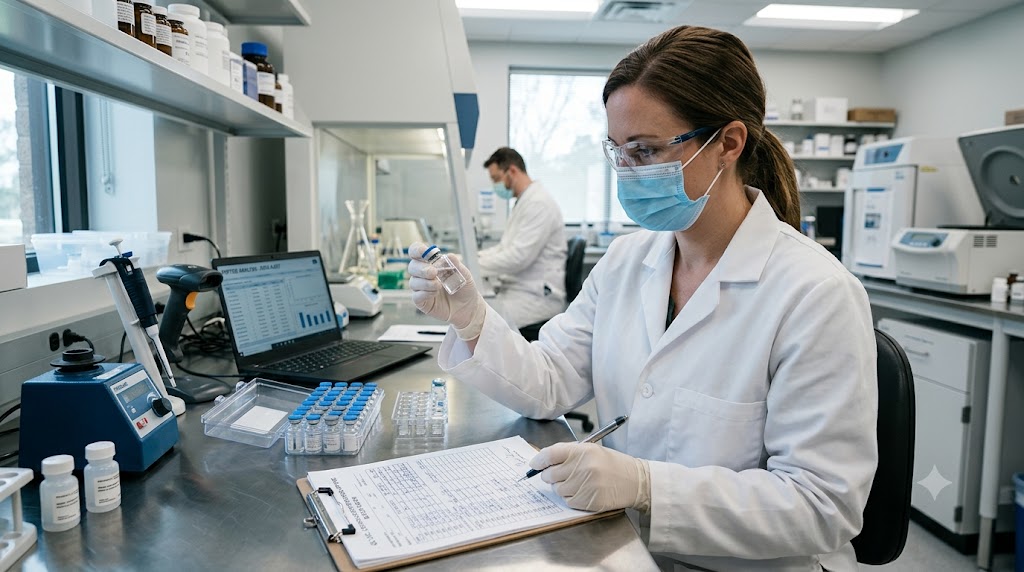
The enhanced program will support monitoring for multiple infectious diseases, including respiratory viruses and emerging public health threats. By analyzing anonymous wastewater samples, researchers can identify trends at the community level without collecting individual patient information.
Public health experts say expanding surveillance improves preparedness by giving hospitals, local health departments and emergency planners additional time to respond to potential outbreaks. Earlier detection can help healthcare providers allocate resources, increase testing capacity and communicate preventive guidance to the public.
The CDC is collaborating with state health agencies, local governments, universities and wastewater utilities to broaden participation in the surveillance network while improving laboratory capabilities and data reporting.
Researchers also believe the growing use of environmental surveillance will contribute to long-term epidemiological research, helping scientists better understand how diseases spread through communities and how future outbreaks can be contained more effectively.
Healthcare analysts describe wastewater monitoring as one of the fastest-growing fields in preventive public health because it complements traditional disease surveillance while offering a cost-effective method of tracking population-level health trends.
As the United States continues investing in public health infrastructure, the expanded surveillance network is expected to play an increasingly important role in early outbreak detection, healthcare preparedness and disease prevention nationwide.

Comments (0)
Sign in to join the conversation.