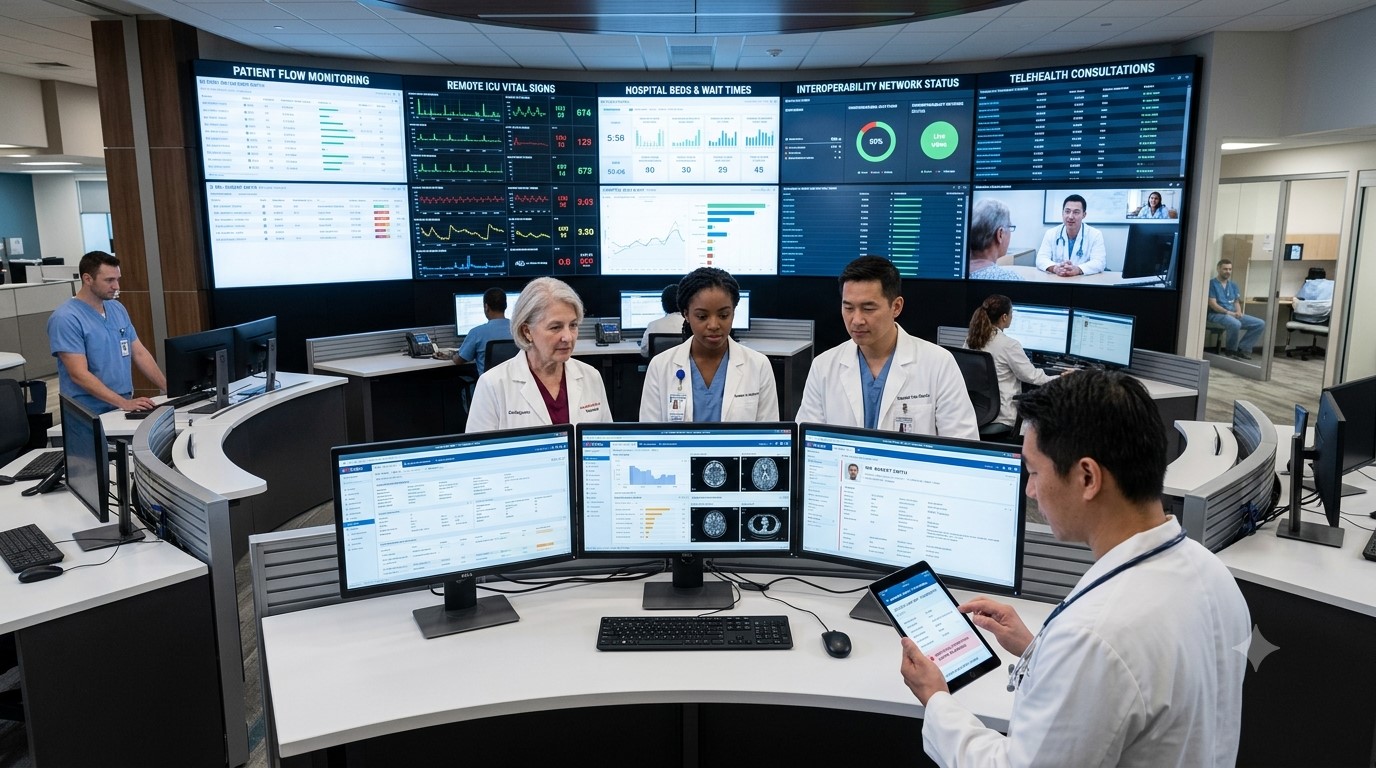
WASHINGTON, D.C. — The U.S. healthcare system is moving toward a more digitally connected model as the Centers for Medicare & Medicaid Services (CMS) expands its Health Tech Ecosystem initiative.
The program is designed to make it easier for patients, doctors and health plans to access and exchange medical information through secure, standards-based digital systems. CMS says the initiative is intended to reduce administrative burden while giving patients greater control over their health information.
One of the most important developments is the expansion of CMS Aligned Networks, which are designed to support real-time access to health information across participating healthcare organizations. The framework uses modern interoperability standards, including FHIR APIs, to make medical data easier to exchange between different systems.
Recent implementation work shows the initiative moving beyond planning. b.well Connected Health, for example, is operating a CMS Aligned Network in production that connects patients, providers and health plans for clinical and claims-data exchange. The system includes identity verification, audit trails and patient controls over data sharing.
CMS is also promoting technology designed to reduce paperwork during medical visits. Participating health systems and providers have pledged to help “kill the clipboard” by allowing patients to securely transfer medical information digitally rather than repeatedly filling out paper forms.
The initiative also includes patient-facing applications involving conversational AI, diabetes and obesity management, digital health records and electronic prior authorization. CMS has established voluntary criteria intended to encourage secure and interoperable technology across these areas.
For patients, the long-term goal is a healthcare system where medical information can move more easily between doctors, hospitals, insurers and approved applications. For providers, improved interoperability could reduce repetitive administrative work and make important clinical information available more quickly.
The expansion marks another step toward a digital-first U.S. healthcare system, with technology increasingly becoming a central part of how Americans access, manage and share their medical information.



Comments (0)
Sign in to join the conversation.