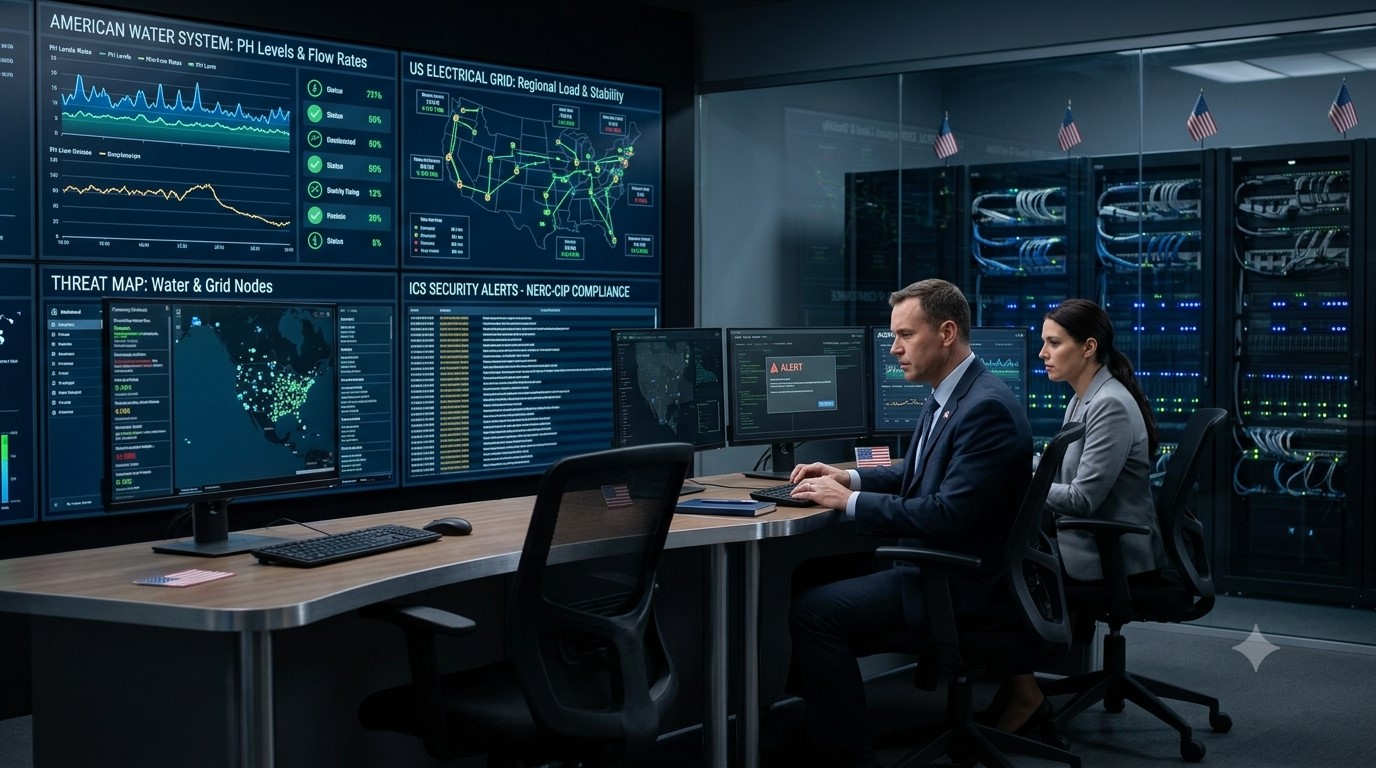
WASHINGTON, D.C. — A fresh cybersecurity warning is putting America's water and energy infrastructure under the spotlight after Iran-linked hackers were reported to be disrupting providers in the United States.
The activity highlights the growing vulnerability of operational technology systems that manage essential services. Water facilities, energy companies and other critical infrastructure operators increasingly depend on internet-connected technology, creating additional cybersecurity challenges for organizations responsible for keeping essential services running.
The latest development comes as U.S. officials continue monitoring cyber threats connected to the broader geopolitical conflict involving Iran. Technology security experts are particularly concerned about attacks that could move beyond data theft and interfere with industrial control systems and physical infrastructure.
The U.S. Cybersecurity and Infrastructure Security Agency has previously warned about Iranian cyber actors targeting programmable logic controllers used by American water and wastewater facilities. A joint federal advisory documented attacks against internet-connected industrial systems and urged infrastructure operators to strengthen authentication and security controls.
For American utilities, the latest warning underscores the importance of multifactor authentication, strong passwords, network monitoring and secure operational technology. Critical infrastructure organizations are increasingly being urged to separate sensitive control systems from publicly accessible networks and improve their ability to detect suspicious activity.
The developments could accelerate investment in U.S. cybersecurity technology, particularly platforms designed to protect industrial networks, utilities and other essential services from nation-state cyber threats.
With water and energy systems increasingly connected to digital networks, cybersecurity has become a national security issue as well as a technology challenge. U.S. infrastructure operators are expected to remain on heightened alert as officials assess the evolving threat landscape.



Comments (0)
Sign in to join the conversation.