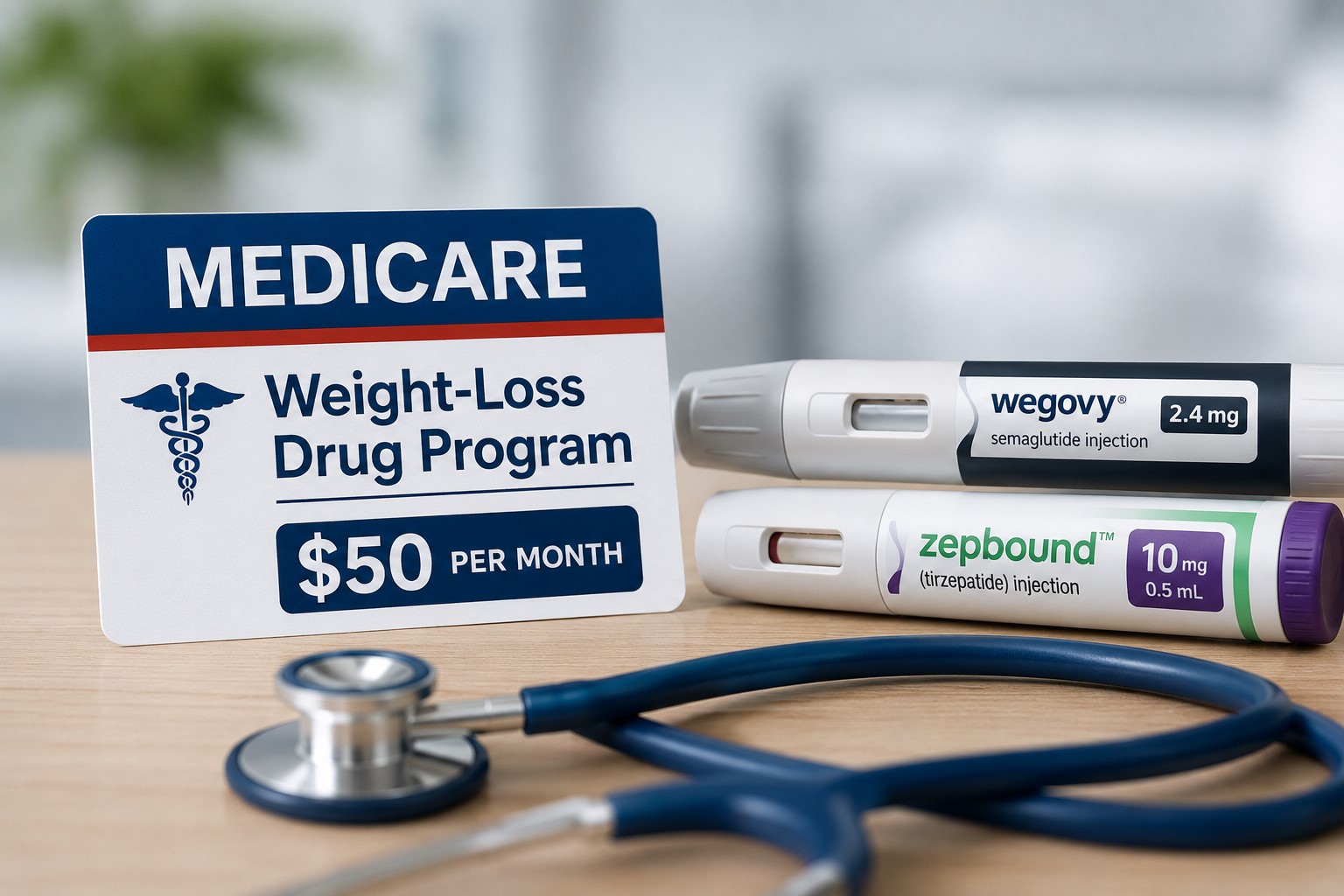
Medicare Weight-Loss Drug Program Expected to Drive Massive Demand
A new Medicare initiative scheduled to launch next month is expected to significantly expand access to popular weight-loss medications, potentially triggering one of the largest prescription drug rollouts in recent U.S. healthcare history.
Under the program, eligible Medicare beneficiaries will be able to access certain weight-loss treatments, including widely used GLP-1 medications such as Wegovy and Zepbound, for approximately $50 per month. The reduced cost is expected to attract millions of seniors who previously found the drugs financially out of reach.
Healthcare experts anticipate a sharp increase in demand as patients seek prescriptions and consultations for obesity treatment. The growing popularity of GLP-1 drugs has already transformed the weight-management market, with many patients reporting significant weight loss and improved health outcomes.
However, the anticipated surge in interest could place additional strain on an already burdened healthcare system. Physicians, obesity specialists, and primary care providers may face a wave of appointment requests from patients eager to begin treatment. Some experts warn that workforce shortages and limited appointment availability could create delays in accessing care.
The rollout may also test the ability of healthcare providers and insurers to manage a large influx of new patients while ensuring appropriate medical supervision and long-term treatment planning. Weight-loss medications typically require ongoing monitoring to assess effectiveness, side effects, and overall patient health.
Supporters of the program argue that broader access to obesity treatments could help reduce long-term healthcare costs by lowering the risk of conditions such as diabetes, heart disease, and other obesity-related illnesses. Critics, however, caution that the healthcare system may need additional resources to handle the expected demand.
As the program's launch approaches, healthcare providers, insurers, and policymakers will be closely watching whether the system can accommodate the influx of patients seeking these increasingly popular treatments.



Comments (0)
Sign in to join the conversation.