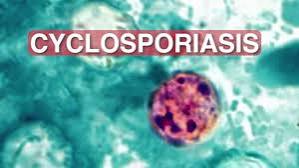
Health officials across the United States are urging consumers to take extra precautions when handling fresh fruits and vegetables after a significant increase in infections caused by Cyclospora, a parasite that can contaminate raw produce and trigger prolonged gastrointestinal illness.
The outbreak has been reported in several states, with Michigan experiencing an unusually sharp rise in cases. State health authorities have recorded nearly 600 infections by early July, far exceeding the state's typical annual total. New York has also reported an increase in cases since May, while additional infections have been identified across multiple states.
According to public health officials, Cyclospora infections generally become more common during the summer months, when fresh produce consumption increases. Federal investigators continue to examine reported cases but have not identified a single nationwide source responsible for the current rise in infections.
How Cyclospora Spreads
Cyclospora is a microscopic parasite that spreads when food or water becomes contaminated with human waste. Fresh produce grown in contaminated irrigation water can carry the parasite, especially fruits and vegetables that are eaten raw.
Experts say herbs such as cilantro and basil, along with berries, leafy greens, and melons, have previously been associated with Cyclospora outbreaks because they are often consumed without cooking.
Unlike many other foodborne germs, Cyclospora is resistant to common surface disinfectants. However, the parasite can be destroyed through proper cooking.
How to Reduce the Risk
Health experts recommend thoroughly washing all fresh fruits and vegetables under clean running water before eating or preparing them. Washing hands with soap and water before handling food, cleaning kitchen surfaces, and preventing cross-contamination can also reduce the risk of infection.
While disinfectant wipes or bleach-based cleaners may be useful for sanitizing surfaces, they are not effective at eliminating Cyclospora from contaminated produce. Cooking fruits and vegetables when possible remains one of the most effective ways to kill the parasite.
Anyone experiencing persistent diarrhea, dehydration, or other severe gastrointestinal symptoms after eating fresh produce should seek medical attention promptly. Drinking plenty of fluids and replacing lost electrolytes can help prevent dehydration while recovering from the illness.


Comments (0)
Sign in to join the conversation.