
LOS ANGELES — America's largest container ports are reporting a strong increase in cargo volumes as retailers expand imports ahead of the year-end holiday shopping season.
Logistics companies say businesses are placing orders earlier than in previous years to reduce the risk of shipping delays and inventory shortages. Consumer electronics, apparel, toys, home goods and seasonal merchandise account for much of the increased cargo arriving at West Coast and Gulf Coast ports.
Port authorities have responded by increasing terminal operations, coordinating with rail operators and expanding truck scheduling to keep freight moving efficiently through the nation's supply chain. Industry analysts say improved infrastructure investments over recent years have helped ports handle higher cargo volumes while reducing vessel congestion.
Retail executives note that stronger inventory planning has become a priority following supply chain disruptions experienced in recent years. Many companies are diversifying sourcing strategies while using advanced logistics software and real-time shipment tracking to improve operational efficiency.
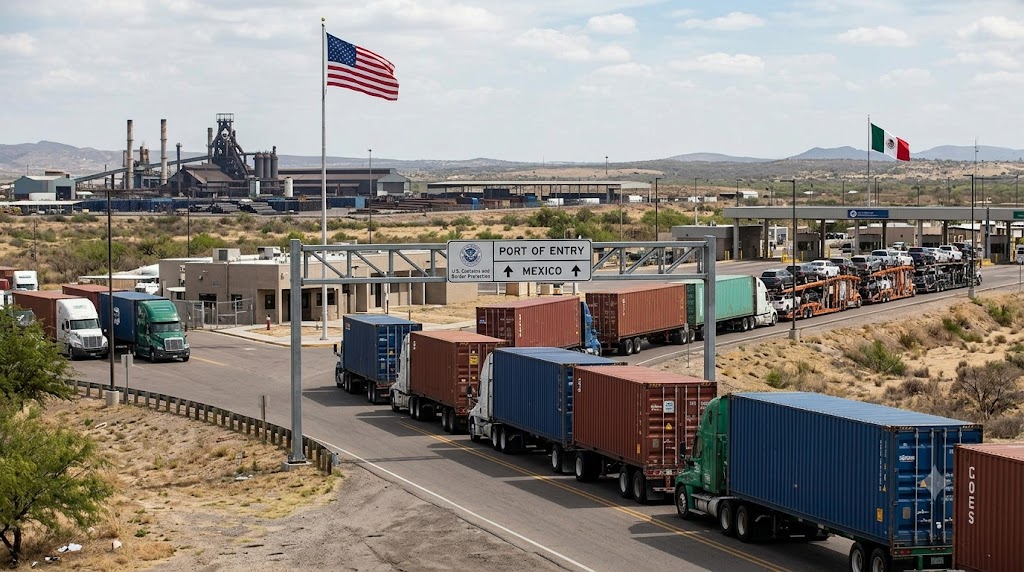
Transportation companies are also reporting higher demand for warehousing, intermodal rail services and long-haul trucking as imported goods move toward regional distribution centers across the country.
Economists say rising port activity is generally viewed as a positive indicator for the broader economy because it reflects business confidence, consumer demand and increased commercial investment ahead of the busiest retail period of the year.
Shipping experts expect freight volumes to remain elevated throughout the coming months as retailers continue preparing for peak shopping seasons, while monitoring global trade conditions, fuel prices and international shipping costs.
If current trends continue, the increase in import activity could provide additional support for the logistics sector, warehouse employment and transportation services, reinforcing the critical role America's ports play in sustaining economic growth and nationwide commerce.

Comments (0)
Sign in to join the conversation.