Samsung Reports 19-Fold Profit Surge as AI Demand Boosts Earnings, but Shares Slide
Samsung Electronics reported a dramatic increase in second-quarter earnings, driven by soaring demand for memory chips used in artificial intelligence (AI) infrastructure. However, despite the strong financial performance, the company's shares fell sharply as investors grew cautious about whether the AI investment boom can continue at its current pace.
The South Korean technology giant estimated its operating profit for the April-to-June quarter at 89.4 trillion won (approximately $58.4 billion), representing a 19-fold increase compared with the same period last year. The result exceeded market expectations and marked one of Samsung's strongest quarterly performances in recent years.
Samsung also projected quarterly revenue of 171 trillion won, more than doubling from a year earlier as strong demand for memory chips continued to fuel growth across its semiconductor business.
Investors Focus on Future AI Demand
Despite the record-breaking earnings, Samsung's stock fell nearly 7% by the close of trading, while rival chipmaker SK Hynix also recorded significant losses. The broader South Korean stock market declined as investors reassessed expectations for the semiconductor sector.
Market analysts said much of Samsung's strong earnings had already been anticipated by investors following a substantial rally in semiconductor shares. Instead, attention shifted to concerns that spending on AI data centers by major technology companies could slow in the coming quarters, reducing future demand for advanced memory chips.
Memory Chip Prices Remain Strong
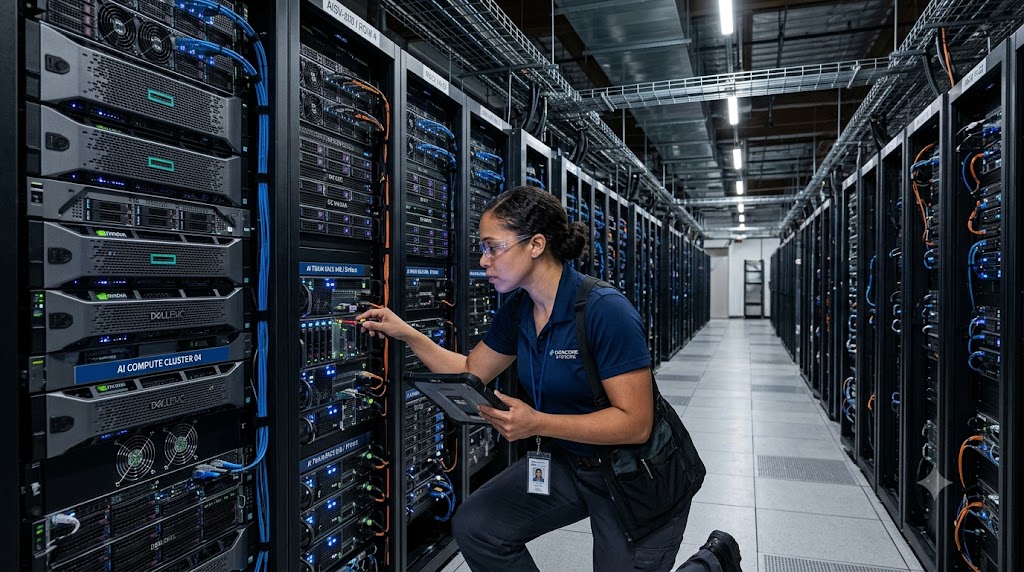
Demand for AI applications has continued to support prices for both high-bandwidth memory (HBM) and traditional DRAM and NAND memory products. Strong orders from cloud computing providers and AI infrastructure projects have helped push memory prices significantly higher during the quarter.
However, analysts noted that while pricing remained favorable, Samsung's overall revenue growth was slightly below the most optimistic forecasts, suggesting that price increases for some memory products may be beginning to moderate.
The rapid expansion of HBM production has also tightened supplies of conventional memory chips used in smartphones, personal computers, and enterprise servers, helping maintain healthy pricing across multiple product categories.
Challenges Remain Outside Memory Business
While Samsung's memory division is expected to remain highly profitable, analysts believe other semiconductor businesses, including its contract chip manufacturing (foundry) and logic chip operations, continue to face financial pressure. Increased operating costs and employee bonus expenses are also expected to weigh on those segments.
Samsung is scheduled to release its full quarterly earnings report on July 30, providing a detailed breakdown of performance across each business division.
AI Spending Outlook in Focus
Looking ahead, investors remain focused on whether global technology companies will maintain aggressive investment in AI infrastructure. Companies including Microsoft, Meta, Amazon, and Alphabet have committed billions of dollars to expanding AI capabilities, but some analysts believe capital spending could become more disciplined if returns fail to meet expectations.
Recent weakness across semiconductor stocks reflects growing uncertainty about the next phase of the AI cycle. While demand for AI hardware remains strong today, investors are increasingly evaluating whether current growth rates can be sustained over the longer term.


Comments (0)
Sign in to join the conversation.