
Inflation has become one of the most politically damaging economic issues in the United States, with persistent price increases affecting household budgets, borrowing costs and confidence in the economy.
Although inflation has eased significantly from its pandemic-era peak, prices remain above the Federal Reserve's long-term target. The continued pressure is creating political challenges for Washington as voters increasingly focus on the cost of everyday goods, housing and borrowing.
The issue is particularly complicated because many of the policies that can stimulate economic growth can also add to inflationary pressure when the economy is already operating near full employment.
Spending and Tariffs Add to Inflation Concerns
The White House and Congress have continued to pursue policies involving tax reductions, increased government spending and tariffs. Supporters argue that these measures can strengthen economic growth, encourage investment and support American businesses.
However, economists have warned that expansionary fiscal policies can create additional price pressure when demand is already strong.
Some of the recent economic indicators remain positive. Unemployment is relatively low, stock markets have remained strong and consumer spending continues to support economic activity. Business investment has also been particularly strong in the technology sector as companies pour money into artificial intelligence infrastructure.
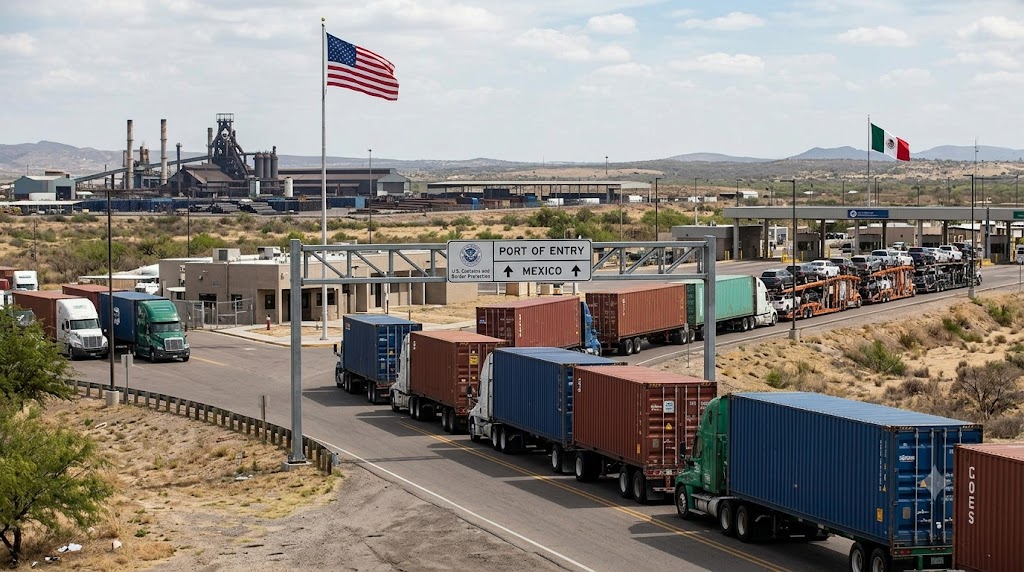
At the same time, higher oil prices, tariffs and other economic pressures have contributed to concerns about renewed inflation.
Bond Markets Are Feeling the Pressure
The inflation debate is also being reflected in financial markets.
Treasury yields have risen as investors demand greater compensation for the possibility that inflation will remain elevated. Higher government borrowing costs can eventually feed into other parts of the economy, including mortgages, personal loans and other forms of consumer credit.
That creates a difficult situation for policymakers. Efforts to reduce inflation generally require tighter financial conditions, while keeping the economy growing can require policies that encourage spending and investment.
For American consumers, the result could be a prolonged period of higher borrowing costs.
The Federal Deficit Adds Another Challenge
The growing federal debt is another major concern.
Washington has struggled to balance the demands for tax cuts and government programs with the need to control the deficit. Critics argue that continued increases in federal spending could make it more difficult to bring inflation under control over the long term.
The debate over government spending has also become increasingly political. While both major parties have advocated populist economic policies in recent years, there is limited political appetite for the measures that could significantly reduce federal borrowing.
Reducing spending or increasing taxes could help address the government's fiscal position, but either option could create political and economic difficulties in the short term.
Federal Reserve Faces a Difficult Balancing Act
The Federal Reserve remains one of the key institutions responsible for fighting inflation.
Higher interest rates can reduce demand and help slow price growth, but they can also make mortgages, business loans and other forms of credit more expensive. Excessively tight monetary policy could also weaken hiring and economic growth.
That leaves the central bank attempting to strike a difficult balance between controlling inflation and avoiding an unnecessary downturn.
Monetary policy alone, however, cannot solve every inflation problem. Economists have argued that fiscal policy from Washington must work alongside the Federal Reserve rather than counteracting efforts to reduce price pressures.
Long-Term Risks Remain
The US economy remains large and diversified, and current conditions do not indicate an imminent financial or currency crisis. Investors continue to view US Treasury securities and the dollar as major global safe-haven assets.
But economists warn that prolonged expansionary fiscal policy could create greater risks if inflation and government borrowing remain elevated for an extended period.
The central challenge for Washington is therefore becoming increasingly clear: policymakers must find a way to support economic growth while preventing inflation, debt and borrowing costs from becoming increasingly difficult to manage.
For American households, the consequences are already visible through the cost of housing, credit and everyday expenses. For policymakers and investors, the question is whether Washington can change course before today's inflation pressures become a much larger economic problem.


Comments (0)
Sign in to join the conversation.