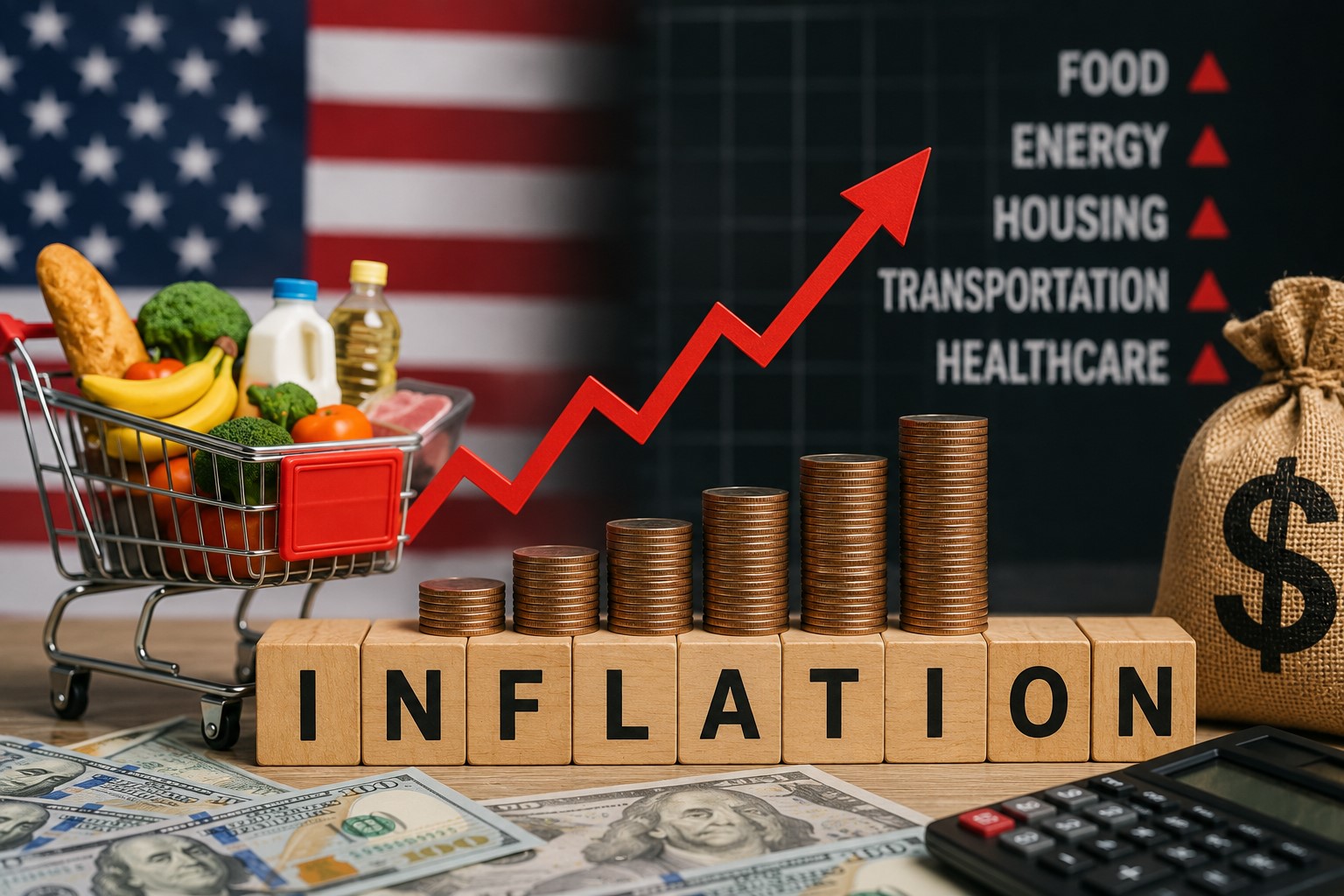
Although inflation in the United States has cooled from its peak, economists caution that price pressures are unlikely to disappear anytime soon. While monthly inflation figures may show temporary improvement, underlying economic forces suggest that consumers could continue facing elevated prices for years.
Analysts expect the latest inflation report to reflect a modest decline in overall consumer prices, largely driven by lower fuel costs after oil prices fell sharply in June. However, economists note that lower energy prices do not immediately reverse the higher costs businesses have already absorbed in recent months.
Core inflation—which excludes the more volatile food and energy categories—remains a key concern. It continues to run above the Federal Reserve's long-term target, indicating that price increases across many sectors of the economy remain persistent.
One of the biggest challenges is "sticky" inflation, particularly in the services sector. Prices for services such as healthcare, vehicle repairs, personal care, and other labor-intensive industries tend to rise gradually and rarely decline. Since wages account for a significant share of business expenses, service providers often pass higher labor costs on to consumers.
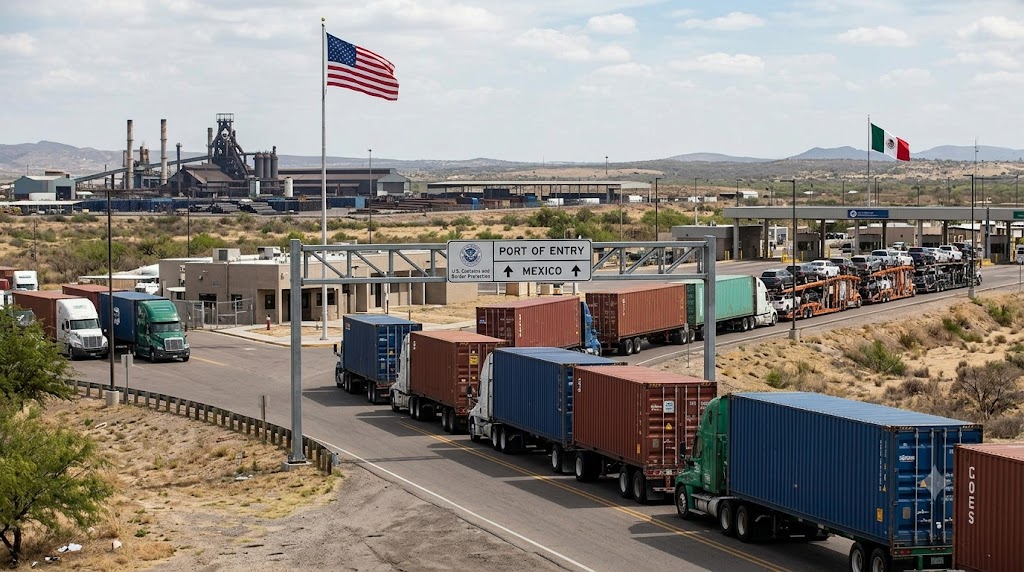
Businesses are also continuing to adjust prices in response to tariffs and ongoing supply chain pressures. These factors, combined with resilient consumer demand, are expected to keep inflation elevated even if headline inflation temporarily eases.
Another emerging source of inflation is the rapid expansion of artificial intelligence infrastructure. Technology companies are investing heavily in AI development, driving up demand for semiconductors, data centers, electricity, and skilled workers. Rising costs for hardware and software could eventually translate into higher prices for businesses and consumers alike.
Meanwhile, increased government spending on defense manufacturing and efforts to replenish military stockpiles are expected to boost demand for industrial materials and labor. Economists believe this additional spending could place further upward pressure on prices across multiple sectors.
Although inflation has slowed compared with the sharp increases seen after the pandemic, experts say returning to stable price growth will likely take time. Consumers may continue to experience higher living costs until inflation consistently moves closer to the Federal Reserve's long-term objective.


Comments (0)
Sign in to join the conversation.