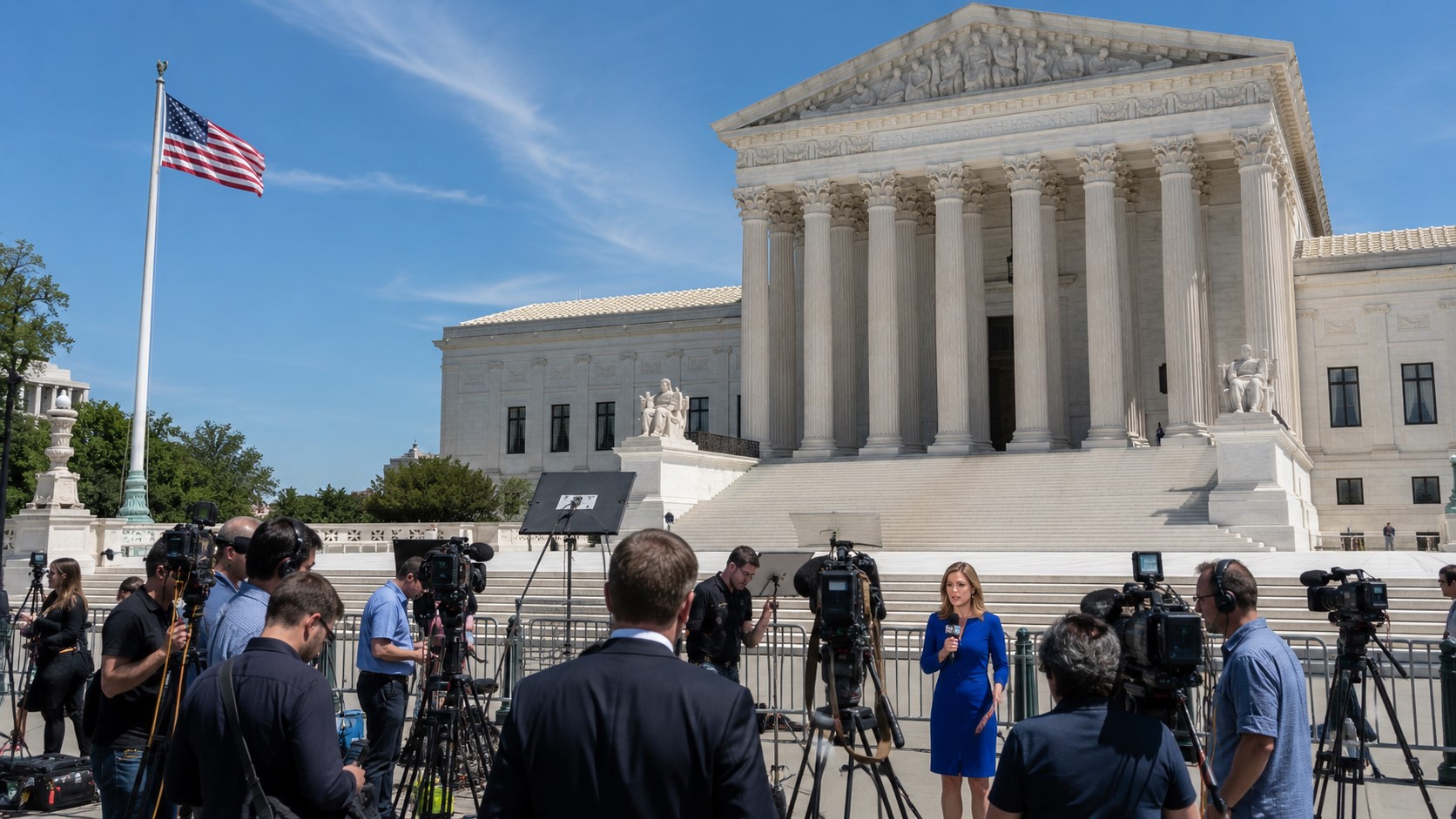
The United States Supreme Court has issued a series of closely watched decisions that are already sending shockwaves through Washington, financial markets, and legal circles, marking one of the most significant developments in federal governance this year.
In its most consequential ruling, the Court determined that the President has broader authority to remove leaders of certain independent federal agencies, overturning decades of legal precedent. Supporters argue the decision strengthens executive accountability, while critics warn it could fundamentally alter the independence of federal regulators responsible for consumer protection and market oversight.
At the same time, the Court issued a separate decision preventing the removal of a sitting Federal Reserve governor while ongoing legal proceedings continue. The ruling was widely interpreted as reinforcing the operational independence of the nation's central bank during a period of heightened economic uncertainty. Financial analysts noted that preserving central bank independence remains a critical factor for investor confidence and monetary policy stability.
Legal experts believe these decisions will influence future disputes involving executive authority, federal regulation, and constitutional interpretation. Several policy organizations and constitutional scholars expect additional litigation as agencies adapt to the new legal framework established by the Court.
The rulings arrive as Washington continues to debate government oversight, regulatory reform, and economic policy, ensuring the Supreme Court's latest decisions will remain at the center of national political discussion in the weeks ahead.


Comments (0)
Sign in to join the conversation.