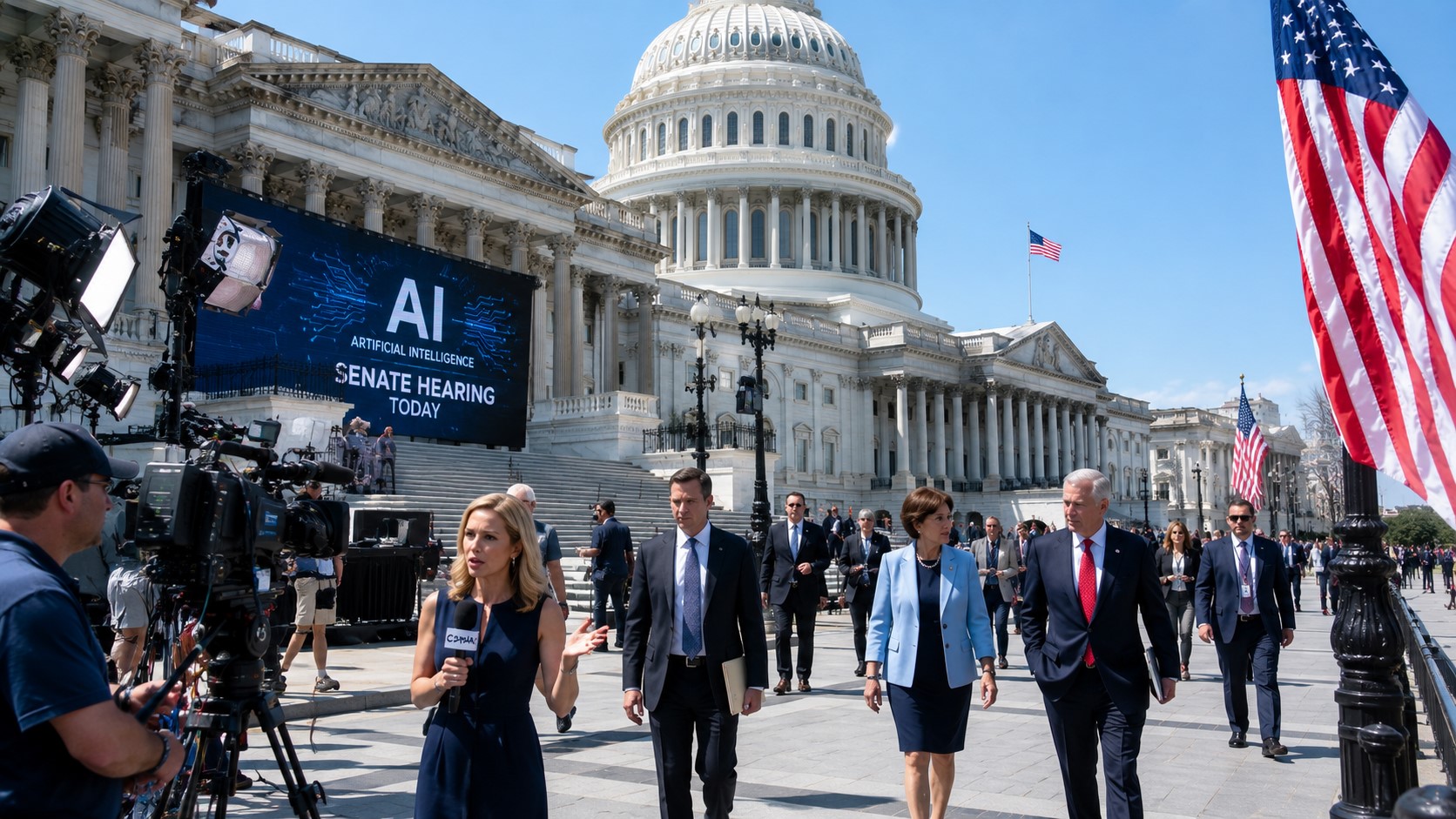
WASHINGTON, D.C. — A bipartisan Senate committee has approved a landmark proposal to establish the first comprehensive federal framework for overseeing advanced artificial intelligence systems, marking a significant step in shaping the future of AI policy in the United States.
The legislation would create new standards for transparency, risk management, and accountability for developers of advanced AI models while encouraging continued innovation across the technology sector. Lawmakers from both parties said the proposal seeks to ensure that the United States remains a global leader in artificial intelligence while strengthening safeguards for businesses, consumers, and critical infrastructure.
Supporters argue that a clear national framework would provide greater certainty for technology companies, attract investment, and improve coordination between federal agencies responsible for cybersecurity, commerce, and national security. Several industry leaders have also called for consistent federal standards to reduce regulatory uncertainty as AI adoption accelerates.
Some lawmakers, however, have emphasized the need to ensure that new regulations do not place unnecessary burdens on startups and research institutions. Congressional debate is expected to focus on balancing innovation with oversight, particularly as AI technologies become increasingly important in healthcare, finance, manufacturing, education, and defense.
The measure will now move to the full Senate for consideration, where lawmakers are expected to debate amendments before any final vote. Political analysts say the legislation could become one of the most influential technology policy initiatives considered by Congress this year.


Comments (0)
Sign in to join the conversation.