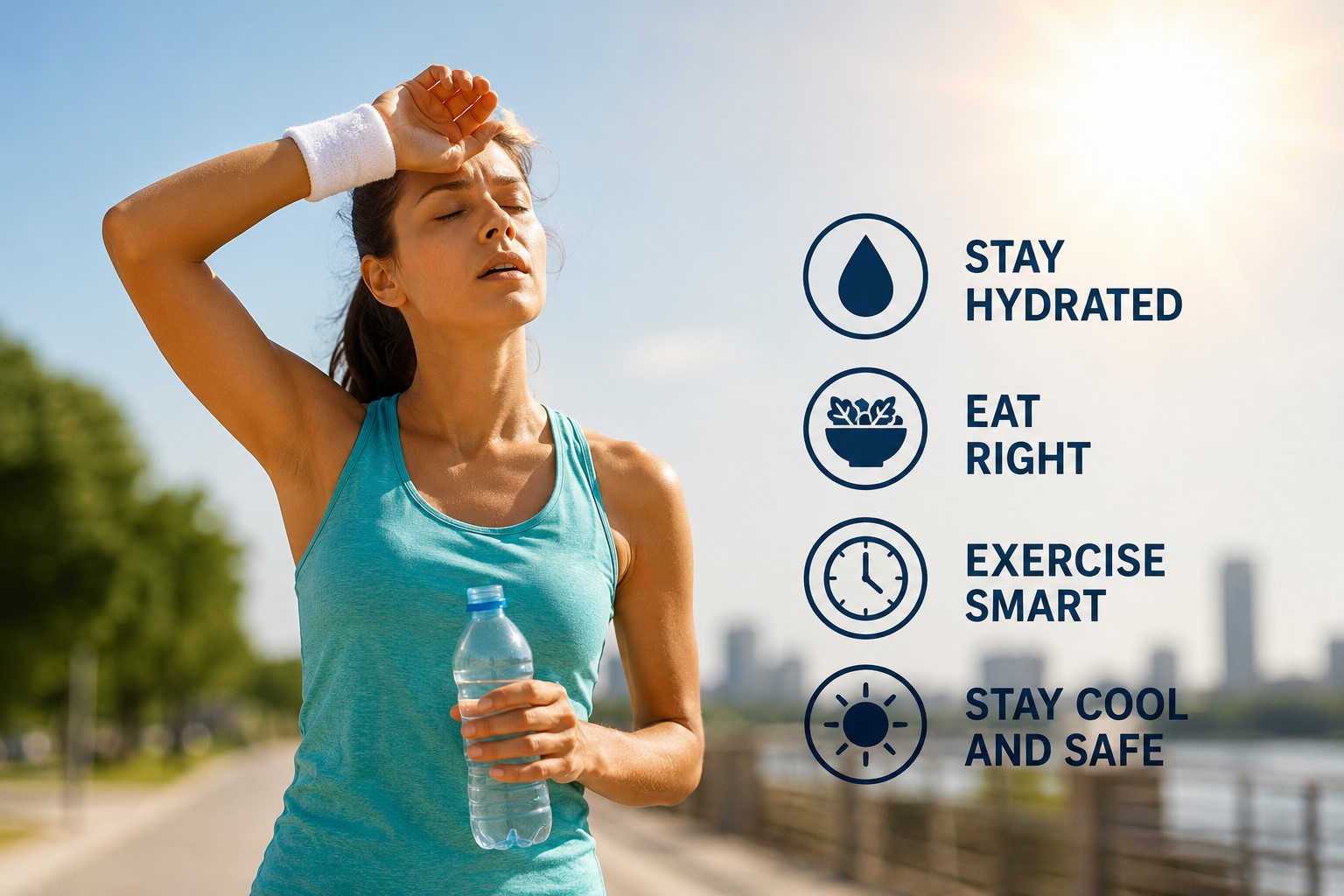
How to Stay Safe, Hydrated and Active During the Summer Heat Wave
As a widespread heat wave sweeps across the United States, health experts are urging people to take extra precautions when exercising, spending time outdoors and planning summer activities.
While soaring temperatures can increase the risk of heat-related illnesses, experts say summer fun and fitness routines do not need to come to a complete stop. Making smart choices about hydration, nutrition and workout timing can help people stay active while protecting their health.
An extreme heat event is generally defined as several consecutive days of temperatures exceeding 90°F, often combined with high humidity. During these conditions, the body must work harder to regulate its internal temperature, increasing the risk of dehydration, heat exhaustion and heat stroke.
Certain groups face a higher risk of heat-related complications, including older adults, children and individuals with chronic health conditions. Health officials recommend paying close attention to warning signs of heat illness, particularly during outdoor exercise or sports activities.
Heat stroke is the most severe form of heat-related illness and can become life-threatening within minutes. Symptoms may include confusion, loss of consciousness, slurred speech, seizures, excessive sweating or hot, dry skin. Anyone showing these signs should receive immediate medical attention, while efforts are made to cool the body using cold water, wet towels or ice packs.
Athletes and active individuals are especially vulnerable during periods of extreme heat. Thousands of high school athletes in the United States receive treatment for heat-related illnesses each year, and research has shown that even elite competitors can struggle with dangerous heat conditions.
Experts recommend scheduling outdoor workouts during cooler parts of the day, such as early morning or evening hours, when temperatures are lower. Staying hydrated before, during and after exercise is also critical, as thirst alone may not be an early indicator of dehydration.
In addition to water, the body loses electrolytes and energy through sweat. Consuming electrolyte-rich drinks when necessary and eating carbohydrate-containing foods can help maintain energy levels and support recovery after physical activity.
Water-rich foods such as watermelon, oranges, cucumbers and berries can also contribute to hydration while providing essential nutrients. Combining proper nutrition with adequate fluid intake can help individuals remain active and healthy despite challenging weather conditions.
As summer temperatures continue to rise, experts stress that preparation and awareness are key. By recognizing the signs of heat-related illness and making adjustments to daily routines, people can safely enjoy outdoor activities and maintain their fitness goals throughout the season.


Comments (0)
Sign in to join the conversation.