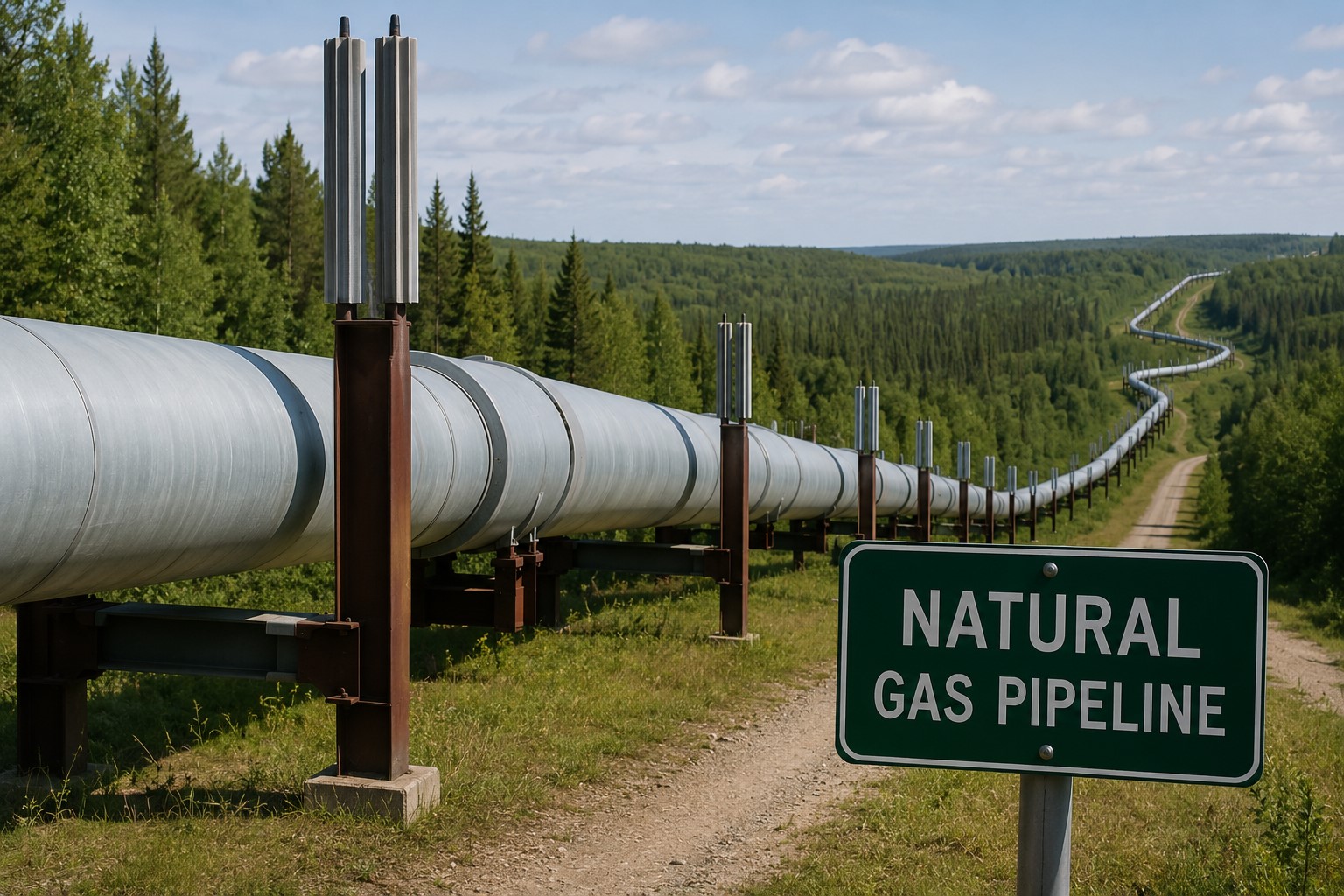
Minnesota regulators have approved new policies aimed at improving energy efficiency and reducing greenhouse gas emissions, but stopped short of eliminating subsidies that help fund new natural gas connections.
The Minnesota Public Utilities Commission recently adopted a package of measures requiring gas utilities to support more energy-efficient homes, encourage the use of dual-fuel heating systems, and limit how much of the cost of new gas line extensions can be passed on to existing customers.
Under the new rules, utilities will be required to promote higher-efficiency standards for new homes and encourage the installation of electric heat pumps alongside traditional natural gas heating systems. Regulators say these changes are designed to lower emissions while maintaining reliable and affordable energy services.
However, the commission's decision to preserve much of the state's Line Extension Allowance (LEA) policy generated criticism from consumer advocates and environmental groups. The policy allows existing utility customers to help cover the cost of connecting new customers to the natural gas system.
Organizations including the Citizens Utility Board of Minnesota argued that maintaining the subsidy unfairly shifts infrastructure costs onto current ratepayers and contributes to rising utility bills. They pointed to declining gas usage among customers and increasing infrastructure expenses as reasons to phase out the program.
Environmental advocates also contend that continued support for new gas connections conflicts with Minnesota's climate goals by extending reliance on fossil fuel infrastructure. Several groups called the decision a missed opportunity to accelerate the transition toward cleaner heating technologies.
Industry representatives defended the policy, arguing that line extension allowances help utilities serve growing communities, maintain system reliability, and support economic development. Gas industry groups have warned that eliminating the subsidies could increase costs for new customers and slow future infrastructure investment.
The commission described its decision as a balanced approach that supports cleaner energy adoption without restricting access to affordable heating options. Regulators also noted that utilities will be required to report usage trends, allowing policymakers to revisit the issue if natural gas demand continues to decline.
The debate highlights the broader challenge facing Minnesota and other states as they work to balance affordability, energy reliability, economic growth, and long-term climate objectives.

Comments (0)
Sign in to join the conversation.