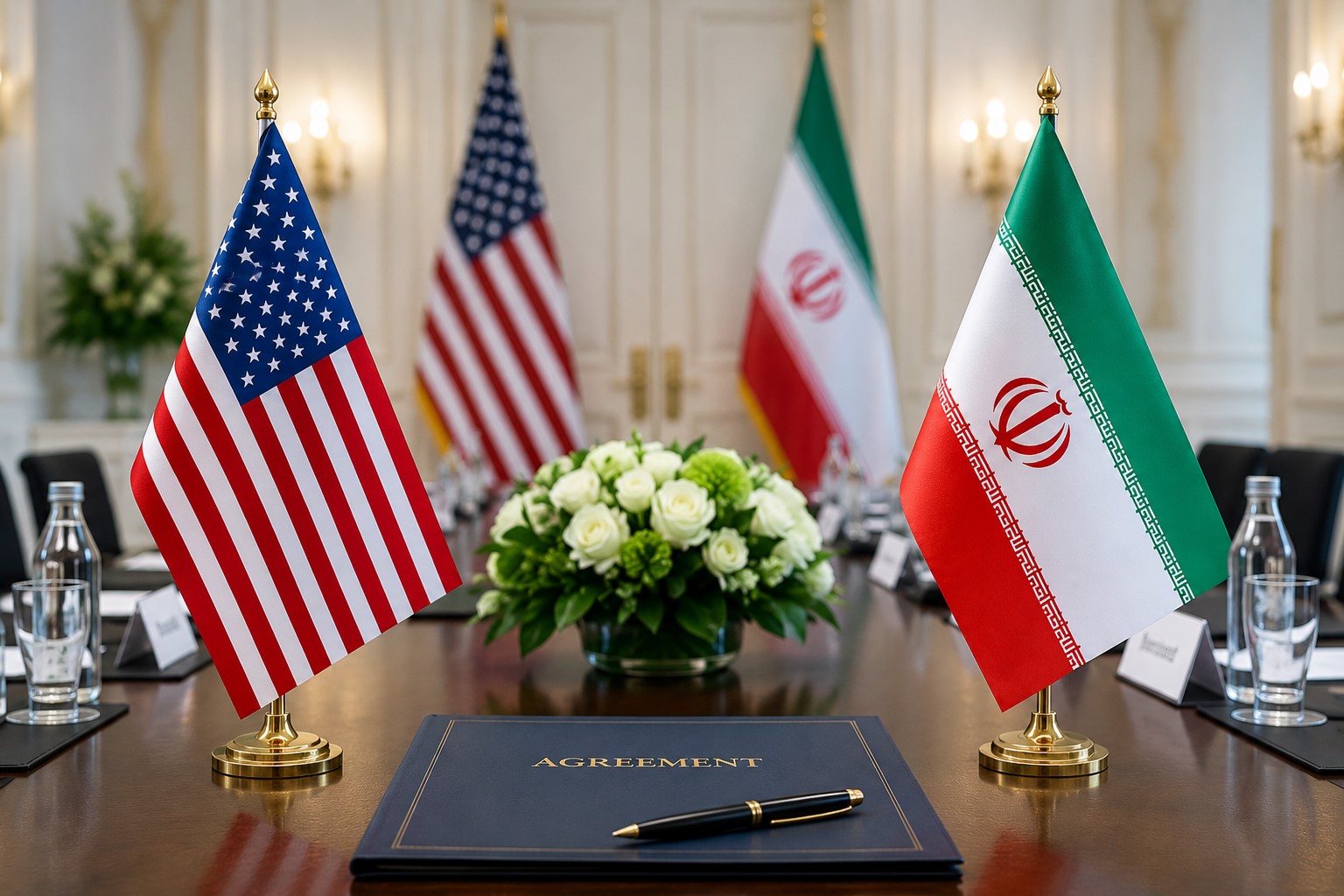
Trump Announces U.S.-Iran Peace Deal, Clearing Path for Strait of Hormuz Reopening
A major diplomatic breakthrough between the United States and Iran could reshape tensions across the Middle East and restore stability to global energy markets.
President Donald Trump announced Sunday that Washington and Tehran have reached an agreement that is expected to take effect on Friday. As part of the deal, the United States will lift its naval blockade on Iranian ports, while Iran will reopen the Strait of Hormuz, one of the world's most important maritime routes for oil shipments.
The agreement is set to be formally signed during a ceremony in Switzerland. However, the full details of the accord have not yet been released, leaving questions about implementation and future commitments from both sides.
Despite the announcement, uncertainty remains over what happens next. Iranian officials have stated that negotiations on broader issues will begin only after the United States releases billions of dollars in frozen Iranian funds. An American official, however, disputed that claim, highlighting ongoing differences between the two governments regarding the next phase of the process.
The development comes amid continued tensions in the region. Israel has not officially commented on the agreement. Earlier Sunday, Israeli forces carried out airstrikes in Beirut, underscoring the fragile security situation in neighboring Lebanon. Trump also appeared critical of Israeli Prime Minister Benjamin Netanyahu, describing him as “a very difficult guy” during remarks following the announcement.
Financial markets responded positively to the news. Oil prices declined after the agreement was revealed, with both Brent crude and U.S. crude futures falling as traders anticipated the reopening of the Strait of Hormuz and the potential return of more stable energy supplies to global markets.
If successfully implemented, the agreement could mark one of the most significant diplomatic achievements between Washington and Tehran in years, with implications for regional security, international trade, and global energy flows.
Comments (0)
Sign in to join the conversation.