
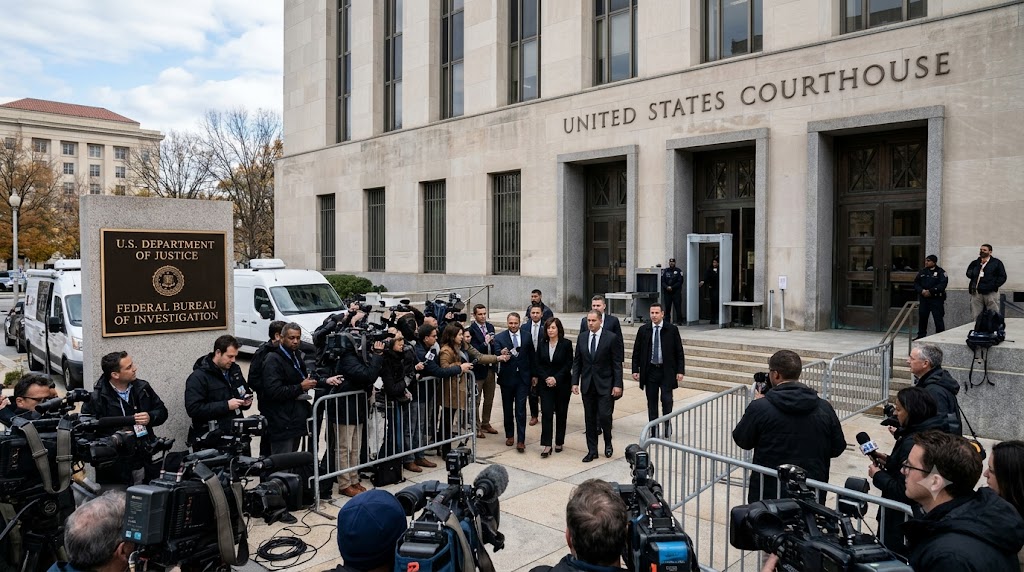
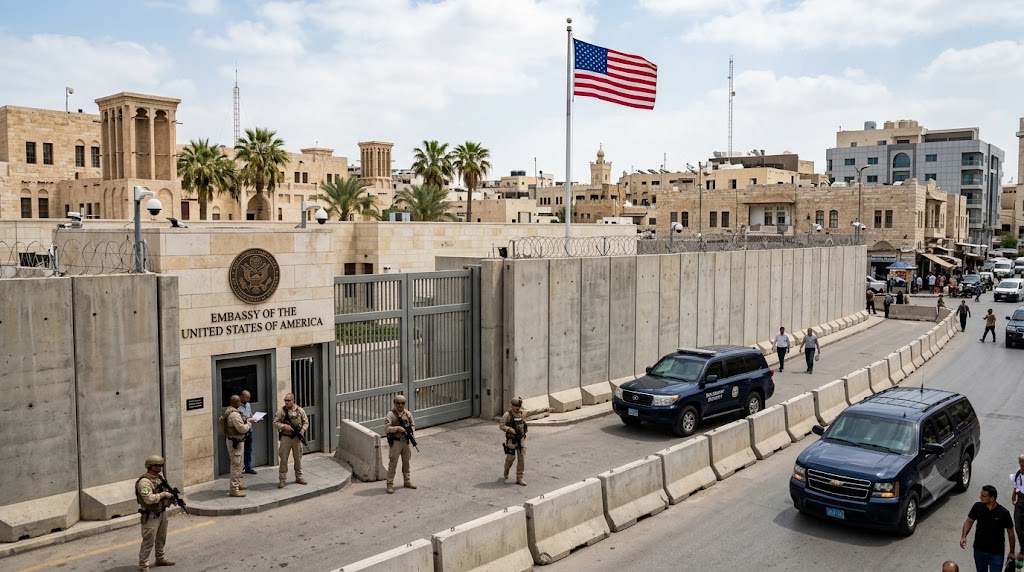
WASHINGTON, October 12, 2026 — The Trump administration has imposed sweeping sanctions on the International Criminal Court (ICC), escalating a dispute over the court’s investigations and raising concerns about international justice and relations between Washington and its European allies.
Announced by U.S. Secretary of State Marco Rubio on October 9, the measures seek to restrict the court’s access to financial services and other resources. The administration says the action responds to what it considers the ICC’s improper targeting of Americans and U.S. allies.
The sanctions include restrictions on transactions with the court, alongside a six-month initial transition period for affected organizations and service providers. Certain exemptions apply.
European Allies Raise Concerns
The ICC, based in The Hague, investigates and prosecutes individuals accused of serious international crimes, including war crimes and crimes against humanity, when legal conditions for its jurisdiction are met.
The court has condemned the U.S. measures, describing them as a threat to international law. European officials have also expressed concern and discussed options to protect the institution’s operations.
The dispute follows longstanding U.S. objections to ICC investigations involving Israel and U.S. military actions in Afghanistan.
What Happens Next?
The sanctions could have consequences beyond the court itself, particularly for companies that provide financial, technology and other services to the institution. The six-month transition period gives affected organizations time to assess their obligations.
The ICC says it intends to continue its work despite the restrictions. The coming months will test whether diplomatic negotiations can ease tensions or whether the dispute deepens the divide between Washington and its international partners.

Comments (0)
Sign in to join the conversation.