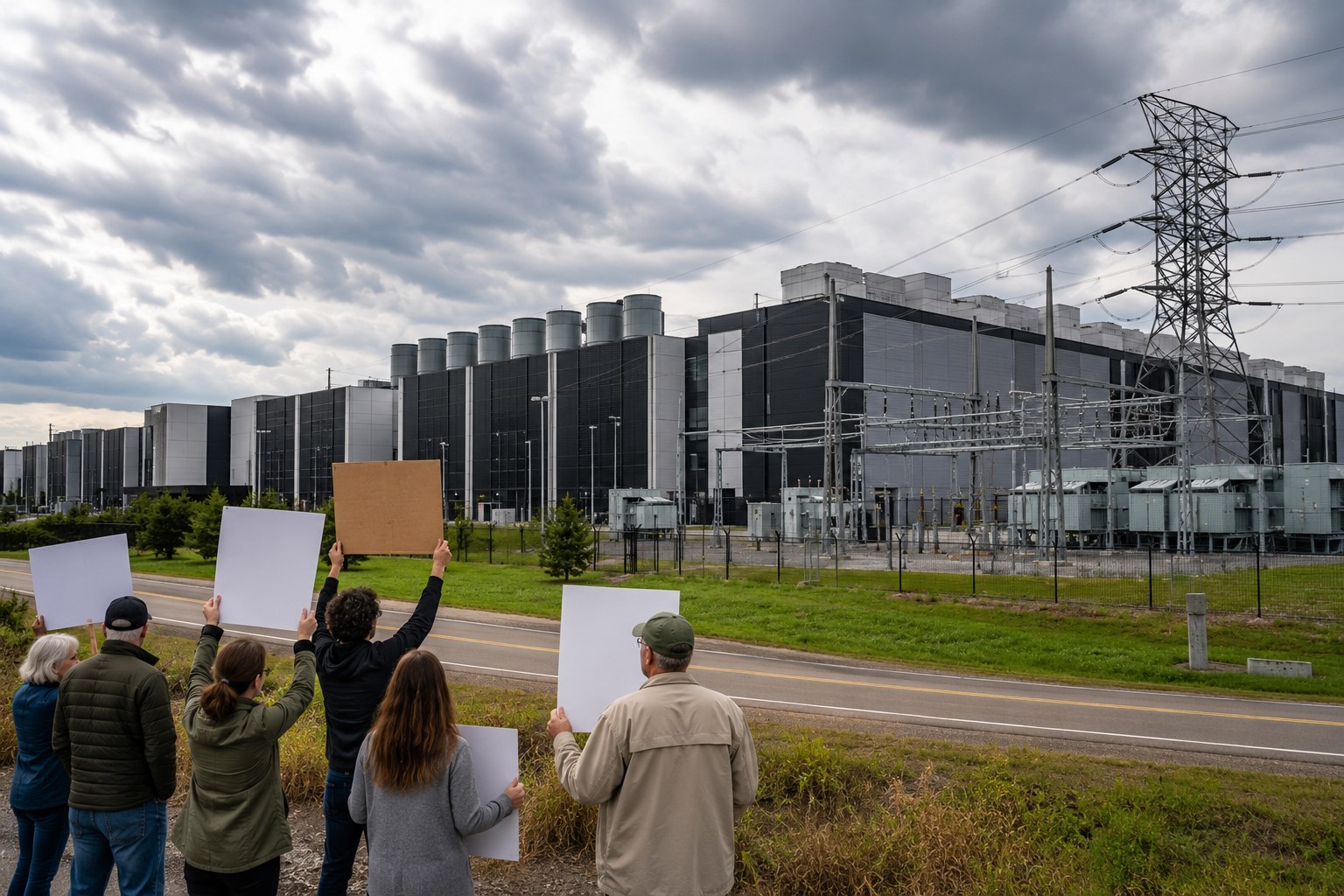
Data centres have become an essential part of the digital economy, powering everything from cloud computing and artificial intelligence to online banking, streaming services, and social media. However, as the number and size of these facilities continue to grow across the United States, they are increasingly drawing criticism from local communities, environmental groups, and policymakers.
One of the biggest concerns is the enormous amount of electricity required to operate modern data centres. The rapid expansion of AI technologies has significantly increased demand for computing power, prompting major technology companies to build larger facilities. Critics argue that this surge in energy consumption places additional pressure on already strained power grids and may slow efforts to reduce carbon emissions.
Water usage has also become a major point of contention. Many data centres rely on water-based cooling systems to prevent servers from overheating. In regions already facing droughts or limited water supplies, residents worry that these facilities could compete with households, agriculture, and other essential services for scarce resources.
Communities are also raising concerns about land use, noise from cooling equipment, increased traffic during construction, and the limited number of permanent jobs created once data centres become operational. While these projects often promise economic investment and tax revenue, some residents question whether the local benefits outweigh the environmental and infrastructure costs.
Technology companies maintain that they are investing heavily in renewable energy, energy-efficient cooling systems, and sustainable building practices to reduce their environmental footprint. Many firms have pledged to achieve carbon neutrality and improve water efficiency while supporting local economies through infrastructure investments.
As demand for AI and cloud services continues to rise, balancing technological growth with environmental responsibility and community concerns is expected to remain a major challenge for governments, businesses, and residents across the United States.


Comments (0)
Sign in to join the conversation.