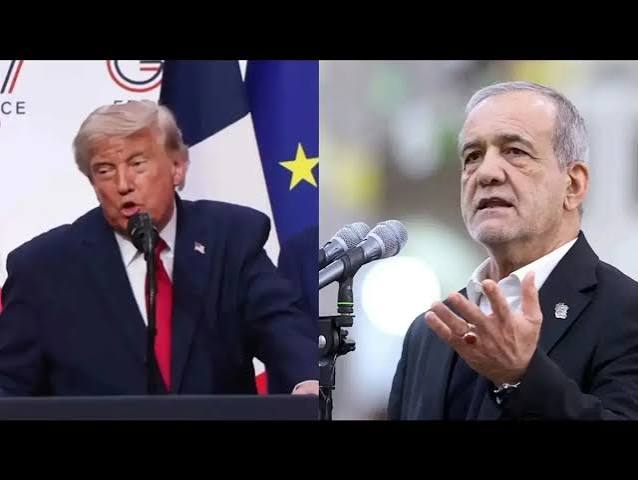
Iran is celebrating a new memorandum of understanding with the United States as a political victory, while opposition from hard-line factions and ordinary citizens reveals growing divisions over the agreement.
The deal, which aims to end the conflict and reopen the Strait of Hormuz, includes a pause in fighting and plans for future negotiations over Iran’s nuclear program. Tehran has highlighted the agreement as a sign of strength, claiming it forced Washington to reconsider its approach.
Iranian officials have promoted the deal as proof of the country’s influence, emphasizing the removal of some U.S. pressure and the continuation of Iranian control over key strategic issues. However, critics inside Iran argue that the agreement does not secure enough concessions and may strengthen the existing leadership.
Hard-line groups, including supporters linked to Iran’s security establishment, have criticized the memorandum as too weak and accused negotiators of making unnecessary compromises. Some lawmakers have demanded further explanations and parliamentary review of the agreement.
Beyond political circles, many Iranians remain skeptical. Some citizens welcome the possibility of reduced tensions and economic relief, while others believe the deal fails to address human rights concerns and democratic demands.
The agreement has also triggered an international propaganda battle, with pro-Iran groups portraying the deal as a defeat for the United States, while critics question whether it will bring lasting change.

Comments (0)
Sign in to join the conversation.