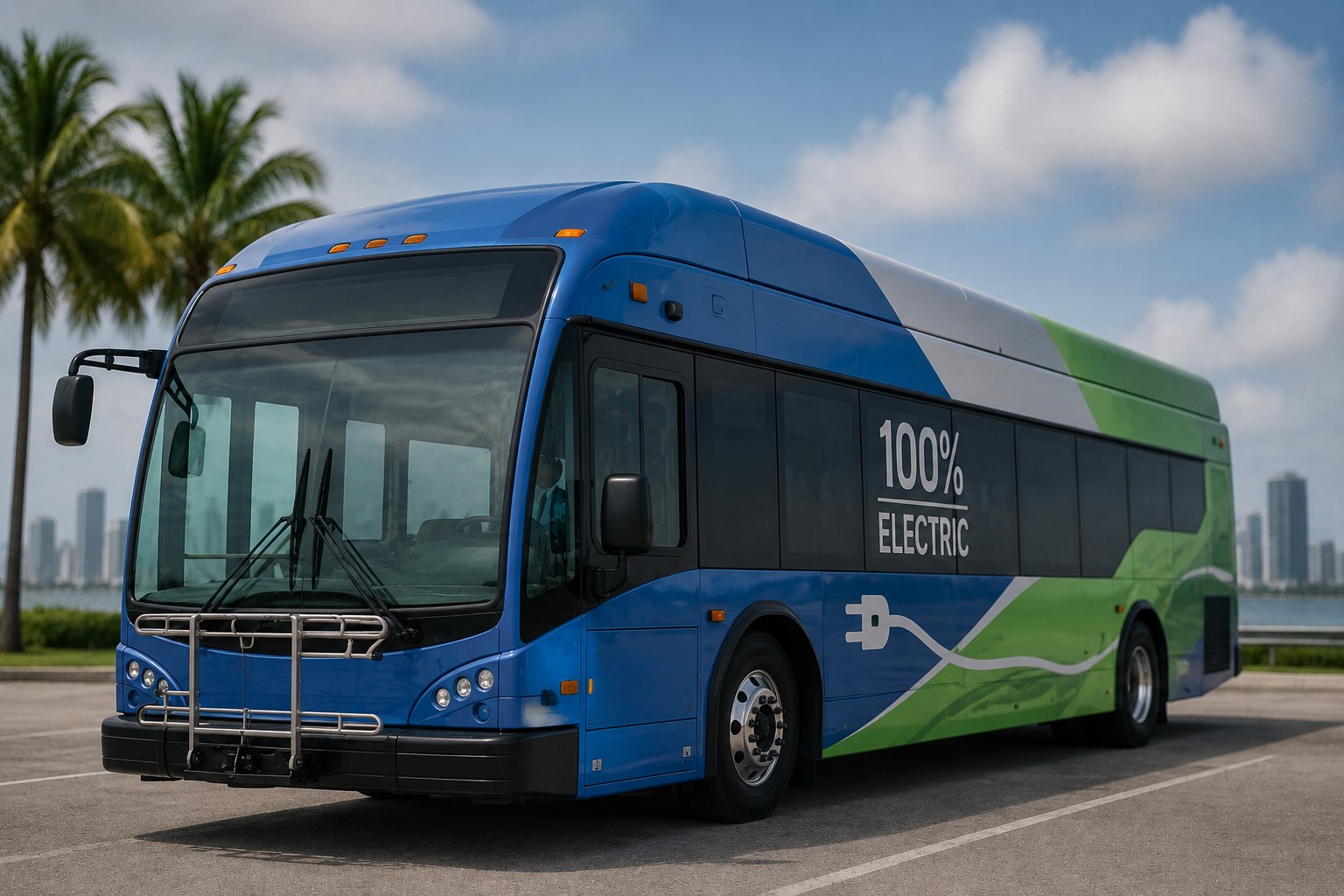
Miami-Dade Considers Legal Action Over Defective Electric Bus Fleet
Miami-Dade County is exploring legal options to recover millions of dollars invested in a troubled electric bus fleet that has been plagued by breakdowns and maintenance issues since its deployment.
The county spent more than $60 million on 69 electric buses and charging infrastructure from electric vehicle manufacturer Proterra as part of an effort to reduce emissions and lower fuel costs. The project was supported by nearly $24 million in state and federal grants, while the remaining funding came largely from Miami-Dade's transportation sales tax revenues.
However, the initiative quickly ran into problems. Within a year of entering service, many of the buses experienced significant mechanical failures and were removed from operation. The situation worsened when Proterra filed for bankruptcy, leaving transit agencies without critical maintenance support, replacement parts, and technical assistance.
Phoenix, the company that later assumed responsibility for servicing the buses, also struggled to provide essential components such as batteries and gearboxes. After waiting more than a year for repairs and replacement parts, Miami-Dade terminated its contract with Phoenix in April.
County officials say they are now evaluating all available legal and financial remedies. According to the Department of Transportation and Public Works (DTPW), the County Attorney's Office is actively pursuing options to recover damages related to the failed fleet.
At the same time, Miami-Dade plans to seek approval from the Federal Transit Administration to retire or replace the buses before the end of their required 12-year service life. Federal authorization is necessary to avoid repaying grant funds tied to the vehicles and to determine whether the buses can be disposed of or repurposed.
Despite the setbacks, county officials maintain that electric transit remains part of Miami-Dade's long-term transportation strategy. The county has since purchased 100 electric buses from New Flyer, a more established manufacturer, and reports that those vehicles are performing successfully on its Bus Rapid Transit network.
The failed Proterra project has nevertheless raised questions about the financial, environmental, and operational benefits of large-scale electric bus investments. Earlier this year, Miami-Dade commissioners requested a comprehensive review to determine whether the electric bus program delivered the promised savings, environmental improvements, and public health benefits.

Comments (0)
Sign in to join the conversation.