
Health officials across the United States are continuing to investigate a widespread outbreak of cyclosporiasis, a parasitic illness that causes severe watery diarrhoea, as they struggle to identify the source of the infections. The outbreak has now spread to 34 states, with nearly 7,000 confirmed cases, according to the U.S. Centers for Disease Control and Prevention (CDC).
Cyclospora is a parasite commonly transmitted through contaminated food or water, particularly fresh produce. Although the illness is rarely life-threatening, it can cause prolonged diarrhoea, stomach cramps, nausea, fatigue, and dehydration, especially if left untreated.
Public health experts say tracing the source of the outbreak has been especially difficult because symptoms often appear one to two weeks after exposure, making it challenging for patients to remember what they ate. Unlike many foodborne illnesses that develop within hours, cyclospora infections require investigators to review meals consumed over an extended period.
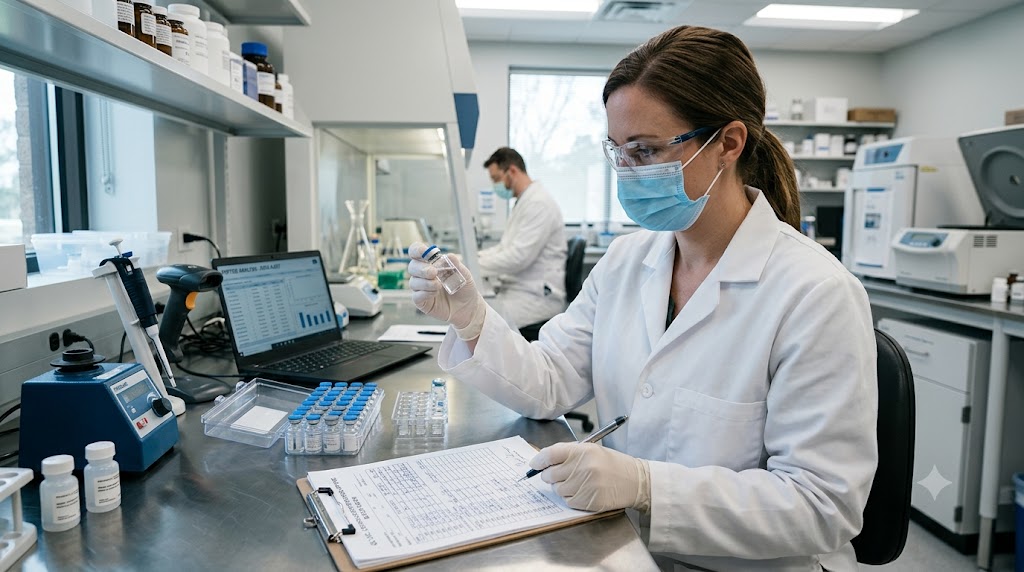
Testing suspected food products is also highly complex. Detecting the microscopic parasite requires large quantities of produce to be processed and examined in specialized laboratories, making investigations both time-consuming and resource-intensive.
Michigan has reported the highest number of infections, followed by New York, while cases continue to emerge in dozens of other states. Health officials have advised consumers to thoroughly wash fresh fruits and vegetables, avoid eating potentially contaminated produce, and cook foods when possible to reduce the risk of infection.
Experts believe the outbreak may involve multiple sources of contamination rather than a single food product, adding another layer of complexity to the investigation.
Some public health specialists have also expressed concern that reductions in federal funding and staffing for disease surveillance programs may have limited the speed of outbreak detection and response. Programs that previously collected and analyzed nationwide foodborne illness data have faced budget constraints, placing greater responsibility on state and local health departments.
Despite these challenges, the CDC continues to work with thousands of state and local health agencies to monitor new infections, interview patients, and identify potential links between cases. Investigators are carefully reviewing food histories in an effort to pinpoint the contaminated products responsible for the outbreak.
Health authorities continue to urge the public to practice good food safety habits while the investigation remains ongoing. Officials say identifying the source of the outbreak is essential to preventing additional infections and protecting public health.


Comments (0)
Sign in to join the conversation.