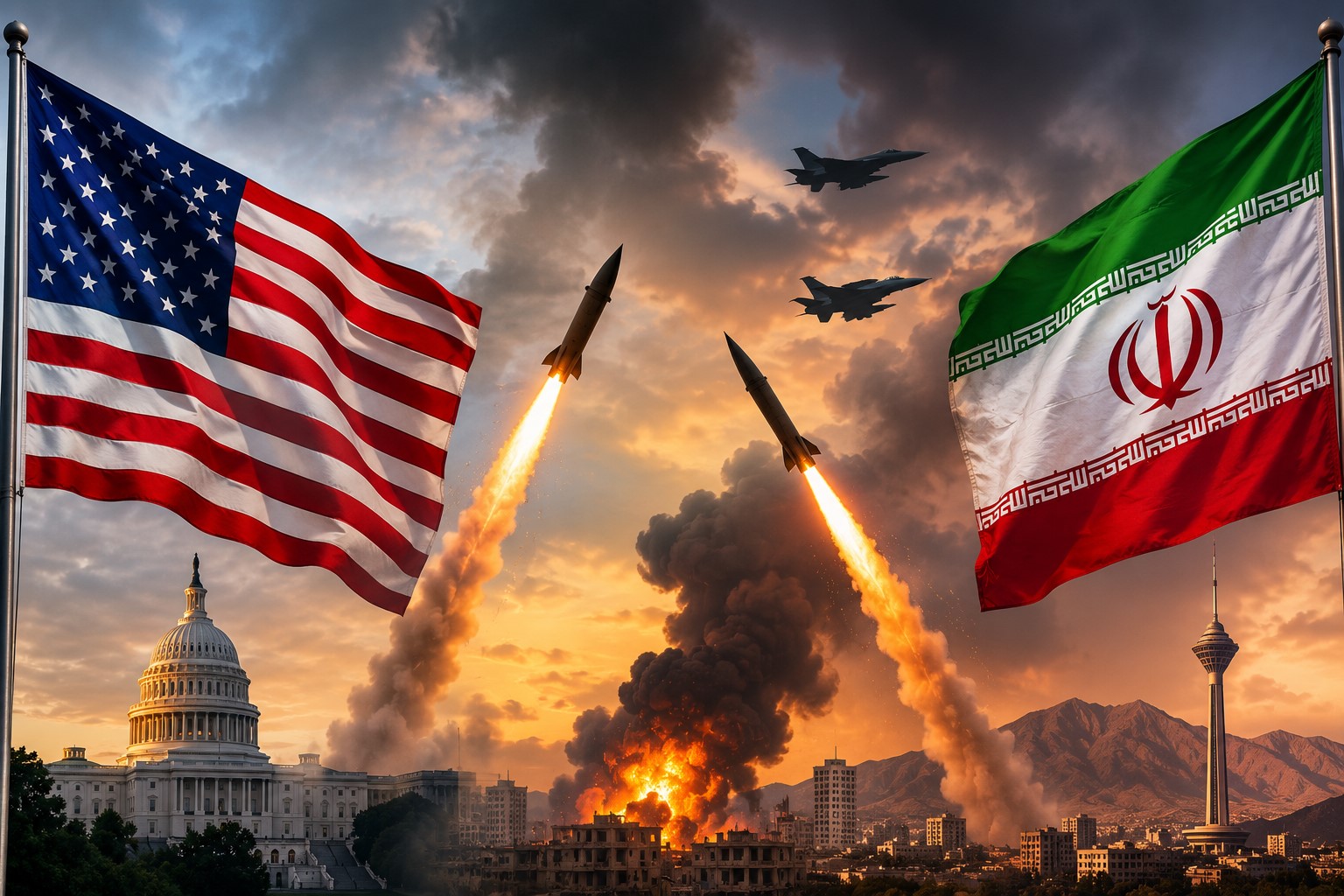
Renewed military exchanges between the United States and Iran have cast serious doubt over the future of a fragile cease-fire, fueling fears of a wider conflict across the Middle East. The latest wave of strikes has increased tensions in an already volatile region and prompted international calls for restraint.
According to officials, both sides have carried out fresh military operations following allegations of cease-fire violations. The renewed hostilities have raised concerns about the security of strategic shipping routes, regional stability, and the possibility of further escalation involving allied forces and neighboring countries.
Global markets reacted quickly to the developments, with oil prices climbing amid fears of supply disruptions. Investors also shifted toward safer assets as uncertainty over the conflict weighed on financial markets. Analysts warn that prolonged fighting could increase inflationary pressures by driving up energy costs worldwide.
World leaders and international organizations have urged both Washington and Tehran to return to diplomatic negotiations and avoid actions that could intensify the conflict. Several governments have also called for the protection of civilians and critical infrastructure as military operations continue.
Security experts caution that the coming days will be critical in determining whether diplomatic efforts can restore the cease-fire or whether the region will face a prolonged period of instability. The situation remains fluid, with governments closely monitoring military developments and their potential impact on global security and the economy.
Comments (0)
Sign in to join the conversation.